
Importance of Salt Lick and its Uses
Salt Licks for Horses and Livestock
The words “salt lick” and “mineral block” are often used as though they mean the same thing. They don’t always. A plain salt block supplies sodium and chloride. A mineral block may contain other ingredients too, so it’s worth checking the label before putting one in a stable or field. A salt lick alone shouldn’t be mistaken for a complete mineral supplement.
Choosing one starts with the animal’s existing diet. What’s in the hay, grazing and daily feed matters more than whether the block is white, pink or described as “premium”.
Start with what the animals already eat
Before adding a mineral supplement, check what is already being supplied through feed and forage. You may be adding something the diet lacks, but you could also be doubling up on ingredients that are already covered. AHDB recommends looking at forage mineral levels alongside any other supplements the livestock receive.
For cattle, testing grass or silage can help identify where the diet needs adjusting. It gives you something more useful to work from than the appearance of the pasture or a general description on a tub. A livestock nutritionist can then use the results when reviewing the feed.
The same principle applies to horses. A fortified feed or feed balancer may already supply a range of minerals when fed at the recommended amount. Adding another mineral product without checking the full diet isn’t necessarily helpful.

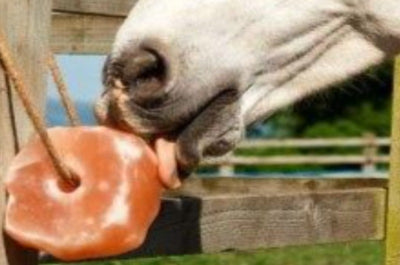
Horses don’t all use a lick in the same way
Putting a block in the stable doesn’t tell you how much your horse is taking from it. Salt intake varies between horses, and free-choice mineral supplements are difficult to measure accurately when several animals share them. One horse using a block regularly doesn’t mean the others are doing the same.
Make a habit of checking whether the lick is being used. An untouched block deserves attention just as much as one that disappears unusually quickly.
Loose salt is another option and the amount and method of feeding should suit the individual horse. In winter, some horses are reluctant to lick a cold block, which is one reason owners may consider an alternative.
Fresh drinking water must remain available. Check the actual supply, including automatic drinkers, rather than assuming that a full-looking trough or connected pipe means the horse can drink. The British Horse Society recommends constant access to clean, fresh water.

Check which species the product is made for
A block sold for one type of livestock isn’t automatically suitable for another.
This matters particularly with sheep. They are susceptible to copper toxicity, so feeds and mineral mixes formulated for other livestock should not be given to them without appropriate professional advice. A shared field needs a product suitable for every animal that can reach it.


Read the species information and feeding directions before buying. Keep the packaging too. It’s much easier to discuss a product with a vet or feed adviser when you have the ingredient list in front of you.
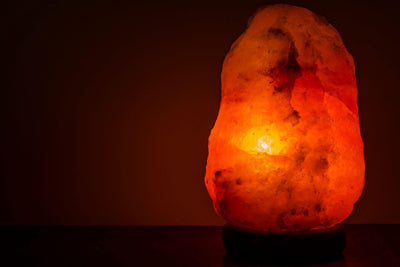
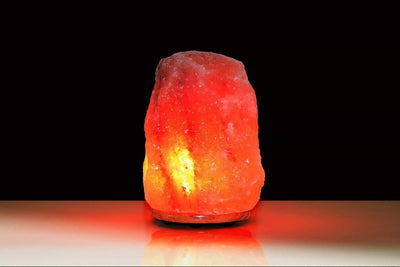
What about Himalayan rock salt blocks?
Apply the same checks to a Himalayan salt block as you would to any other lick. Is it labelled for the animals you keep? What does the composition information say? Does it come with clear instructions for use?
Don’t choose it on the words “natural” or “premium” alone. Neither tells you how it fits into the animal’s diet.
There are practical details to check as well. Note the weight and dimensions, especially when buying online. Check whether it needs a holder and whether the holder is included. Follow the storage instructions rather than assuming a rock salt block can be left exposed to any weather.

Once the lick is in place
Use a suitable holder and follow the fitting instructions. Include the block and its fittings in your normal stable or field checks. Look for loose fixings, dirt collecting around the lick and any damage to the holder.
Also check what sort of lick you’ve bought. Flavoured horse licks are not necessarily plain salt blocks. Some contain substantial amounts of sugar and may need supervision or restricted use according to their instructions.
If an animal’s appetite or behaviour changes, don’t assume a mineral lick will put things right. Signs associated with dietary deficiencies can overlap with other problems, so guessing from behaviour alone is unreliable. Get veterinary advice about the change, then review the diet with the relevant professional.
This article provides general information, not an individual feeding plan. Follow the product label and consult a vet or qualified animal nutritionist before making significant dietary changes.
